
Selection guide
Load handling hand trucks: assess the load and route together
Choosing a load handling hand truck involves more than the number of kilograms to be carried. The dimensions of boxes, appliances or equipment, the surfaces along the route from the warehouse to the vehicle, and whether stairs are involved determine the right solution. This guide focuses on moving goods and materials; it does not cover devices for carrying people.
Define your load profile
Record the heaviest load, the typical load and the external dimensions separately. Regular-shaped boxes, tall appliances and irregular equipment have different securing needs. Assess the load platform, contact surface and fastening method in relation to your load.
Distinguish level surfaces, thresholds and stairs
Warehouse aisles, pavements, vehicle loading points and stairs each present different obstacles. Do not conclude that a device can climb stairs simply because it travels on level or uneven ground. If the route includes steps, look specifically at models that state they are intended for stair use.
Manual or power-assisted?
Frequency of use, route length and the operator's control requirements affect this decision. If you are considering a power-assisted model, check its charging arrangements, operating conditions and instructions individually; do not assume that all devices have the same operating time.
Checklist before requesting a quote
Prepare load measurements and photos of the route. Review the model's intended use, capacity, own weight, transport and storage dimensions, and maintenance requirements on its product page. Ask for technical advice on securing the load safely and operator training.
Current load handling products
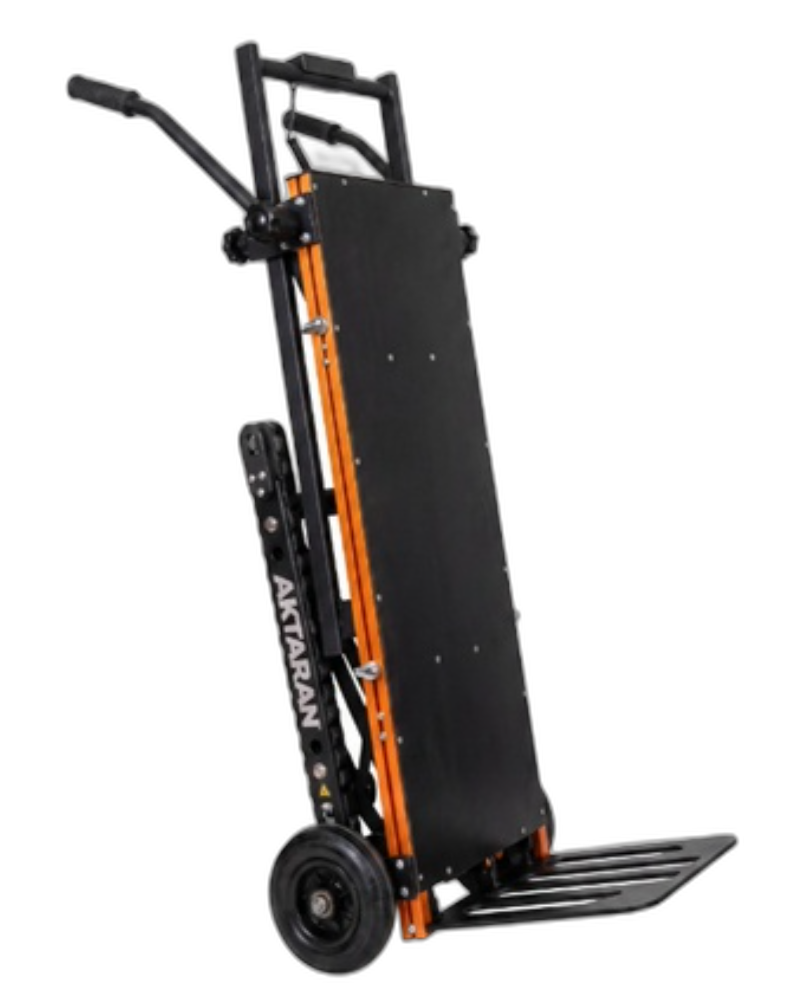
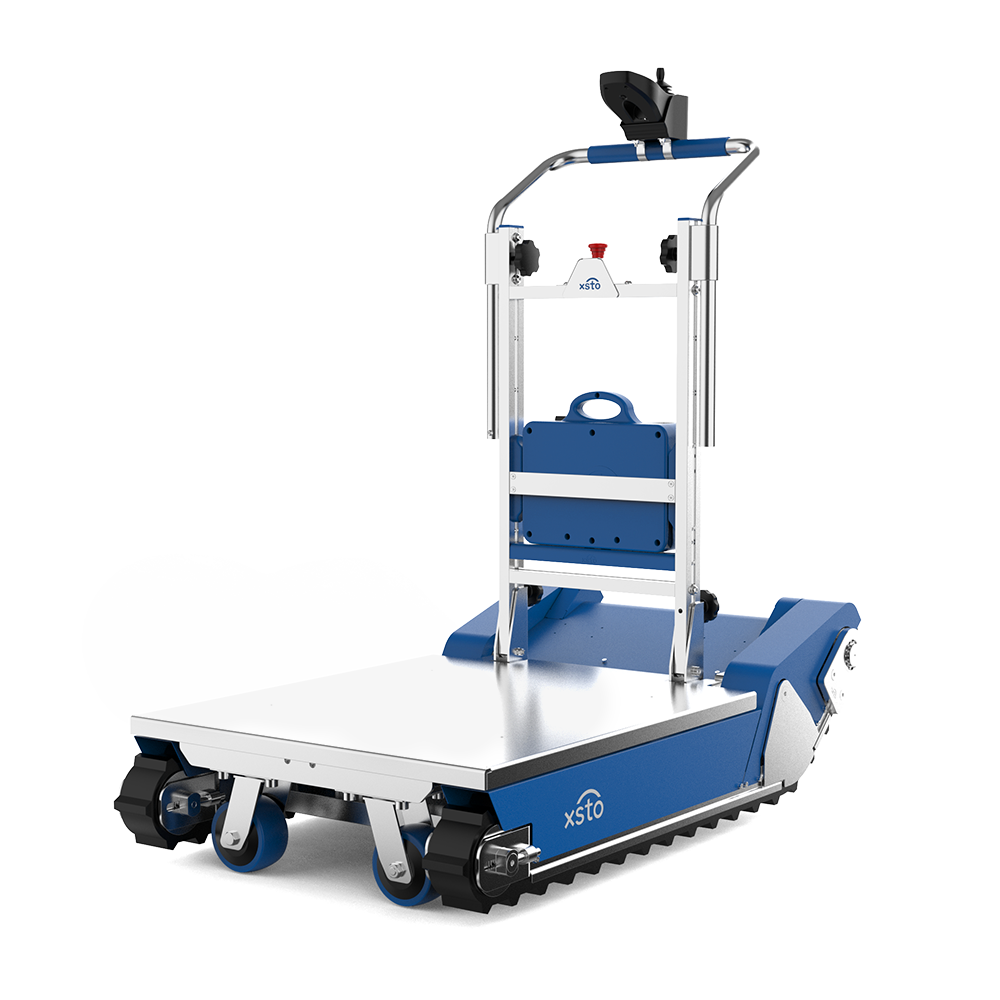
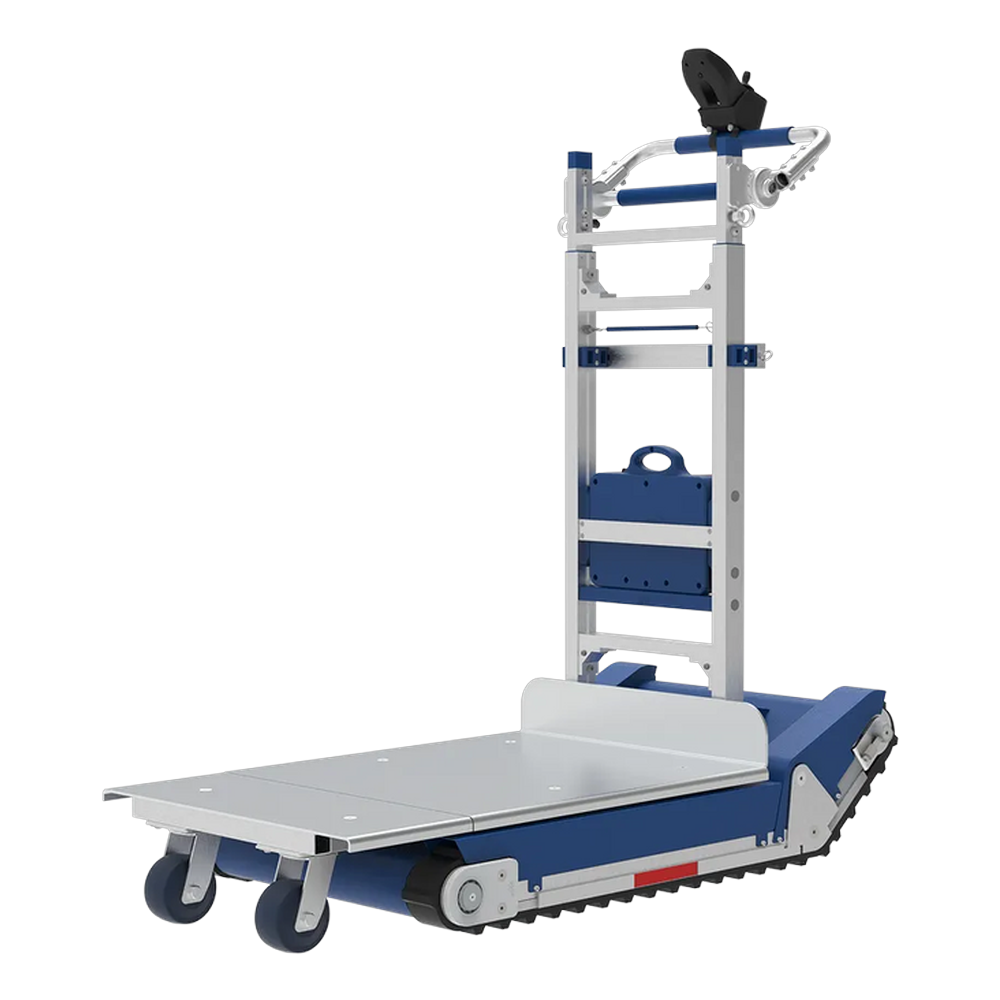
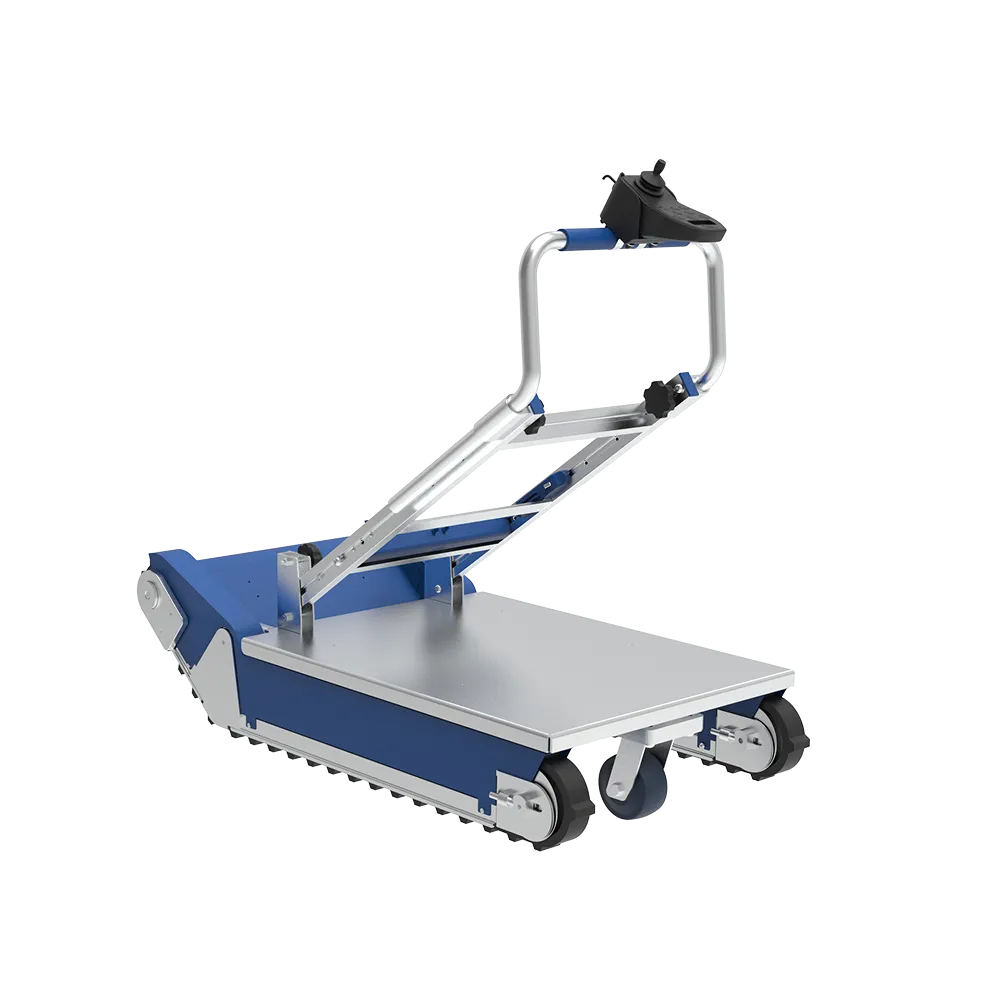
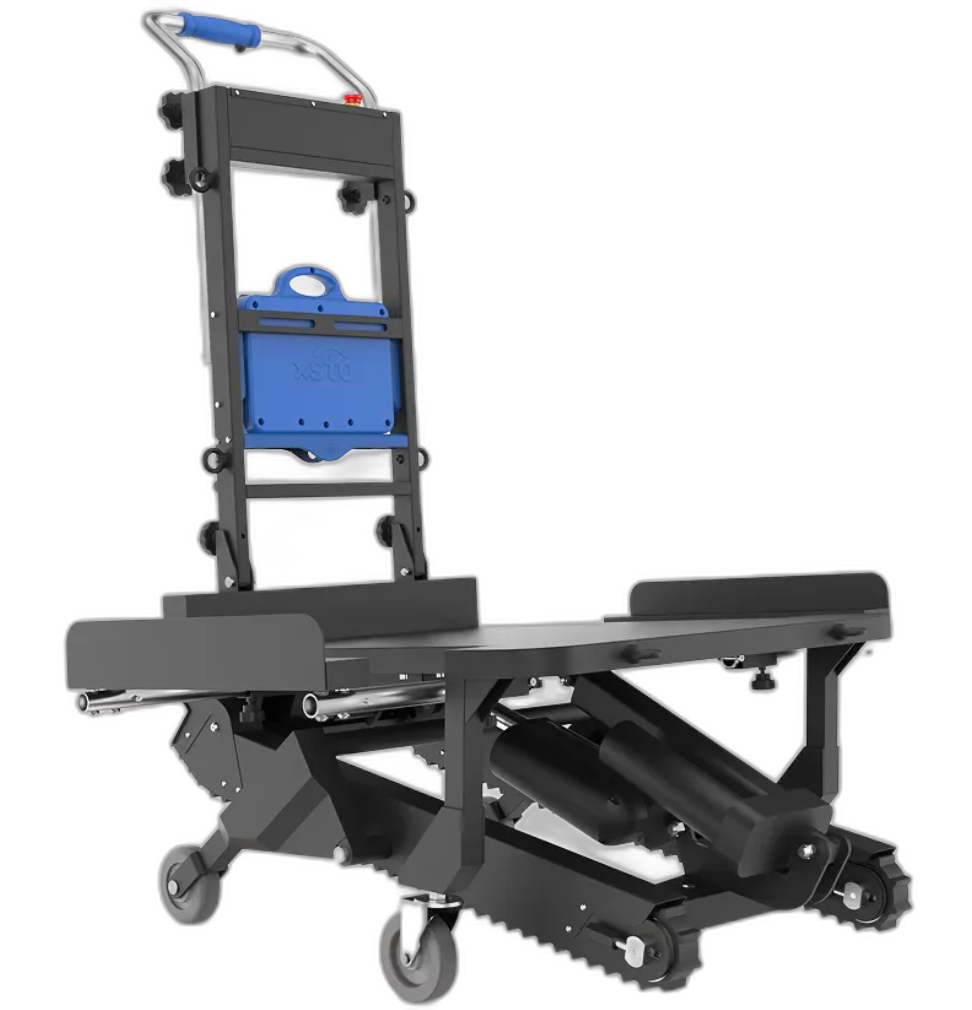
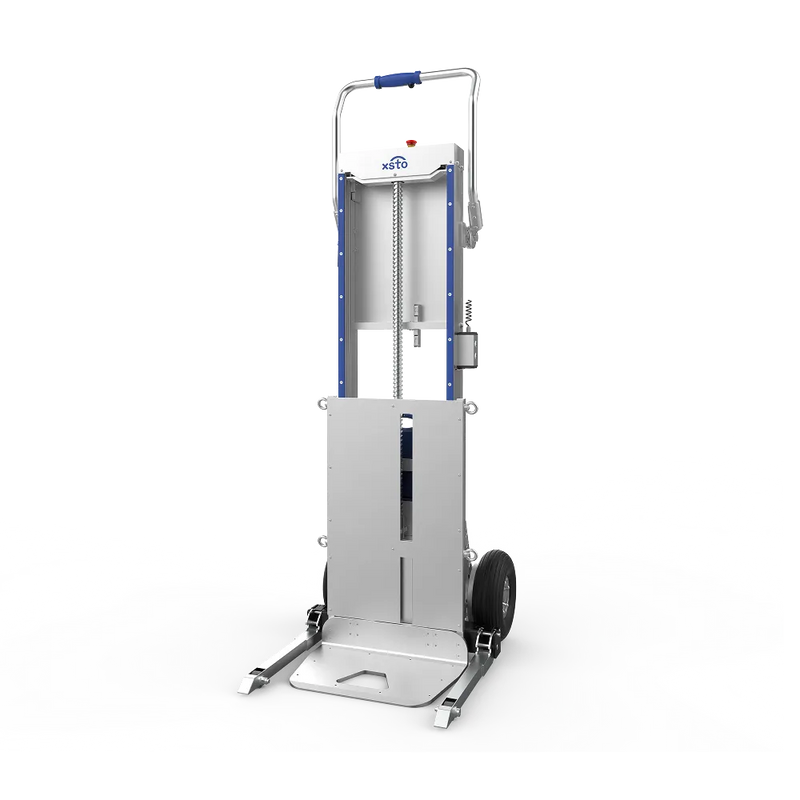
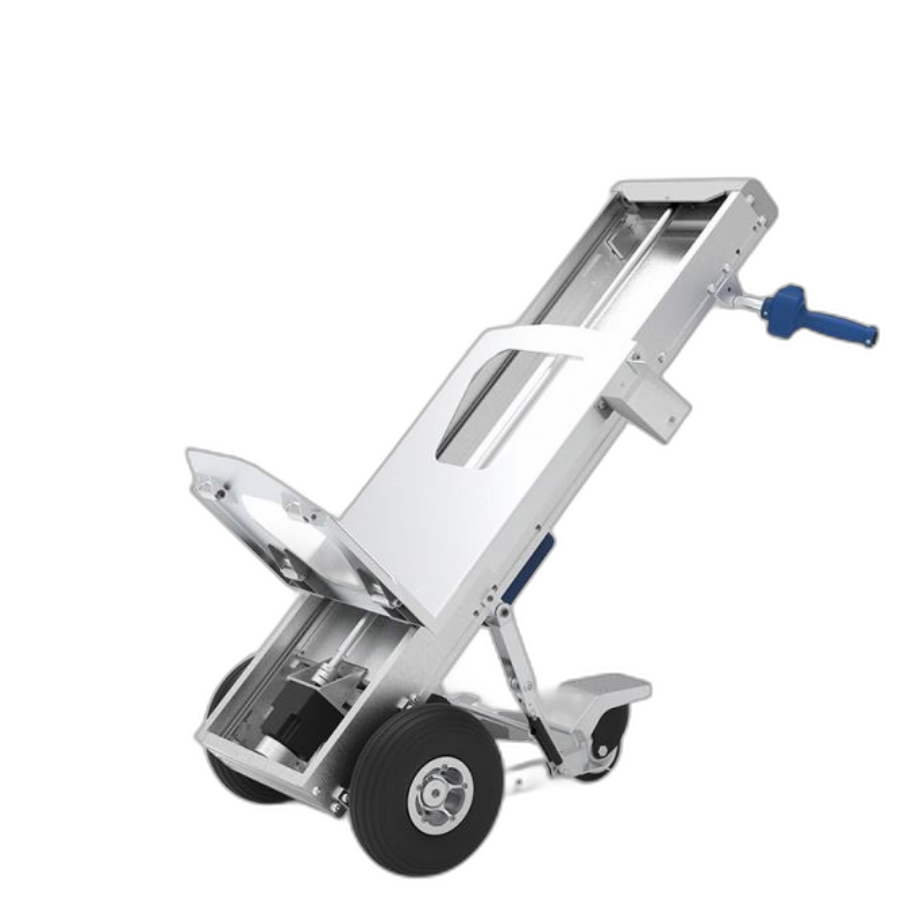
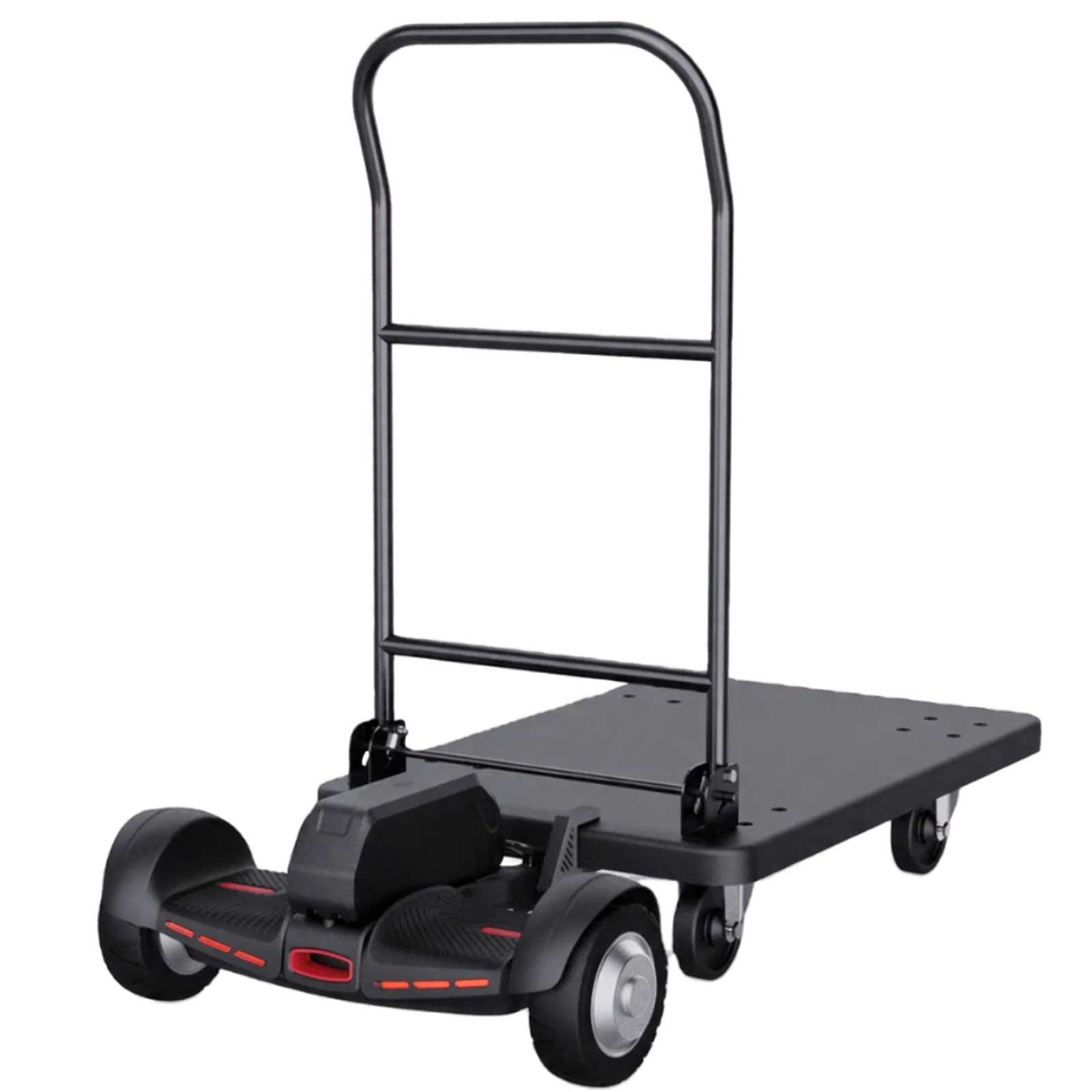
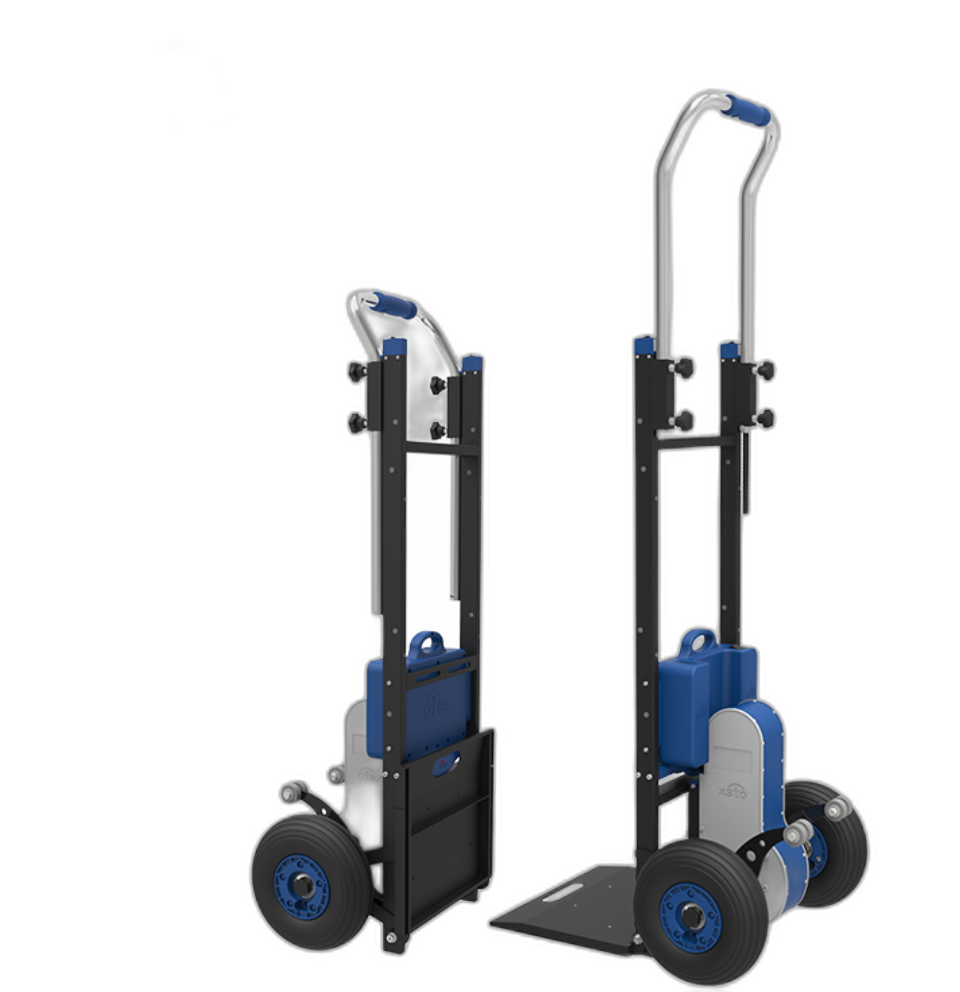
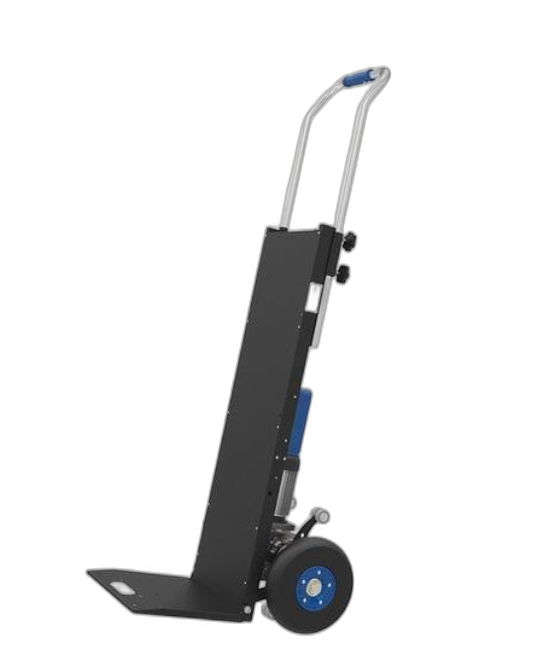
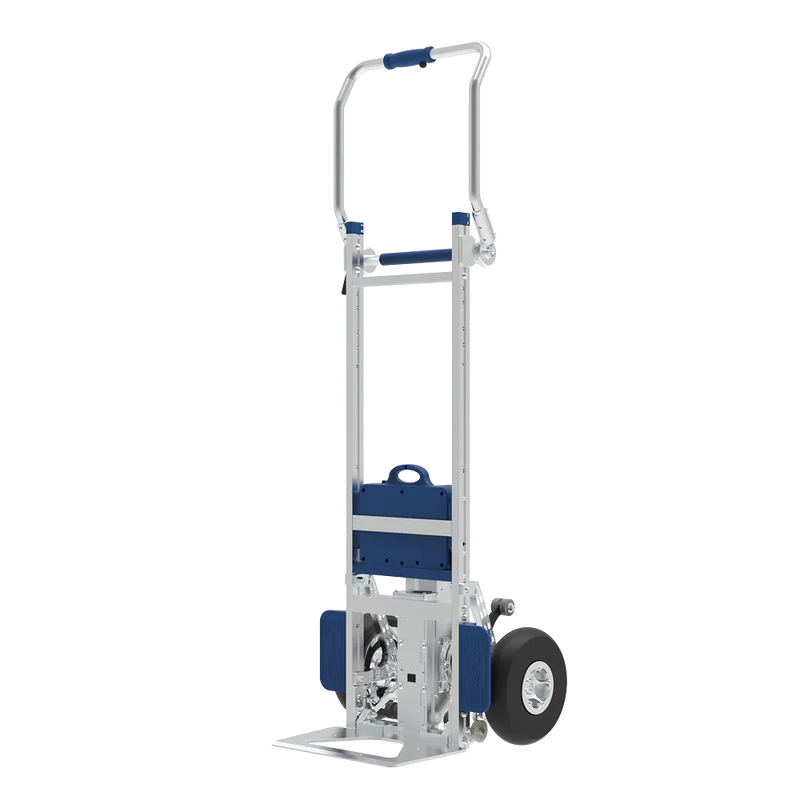
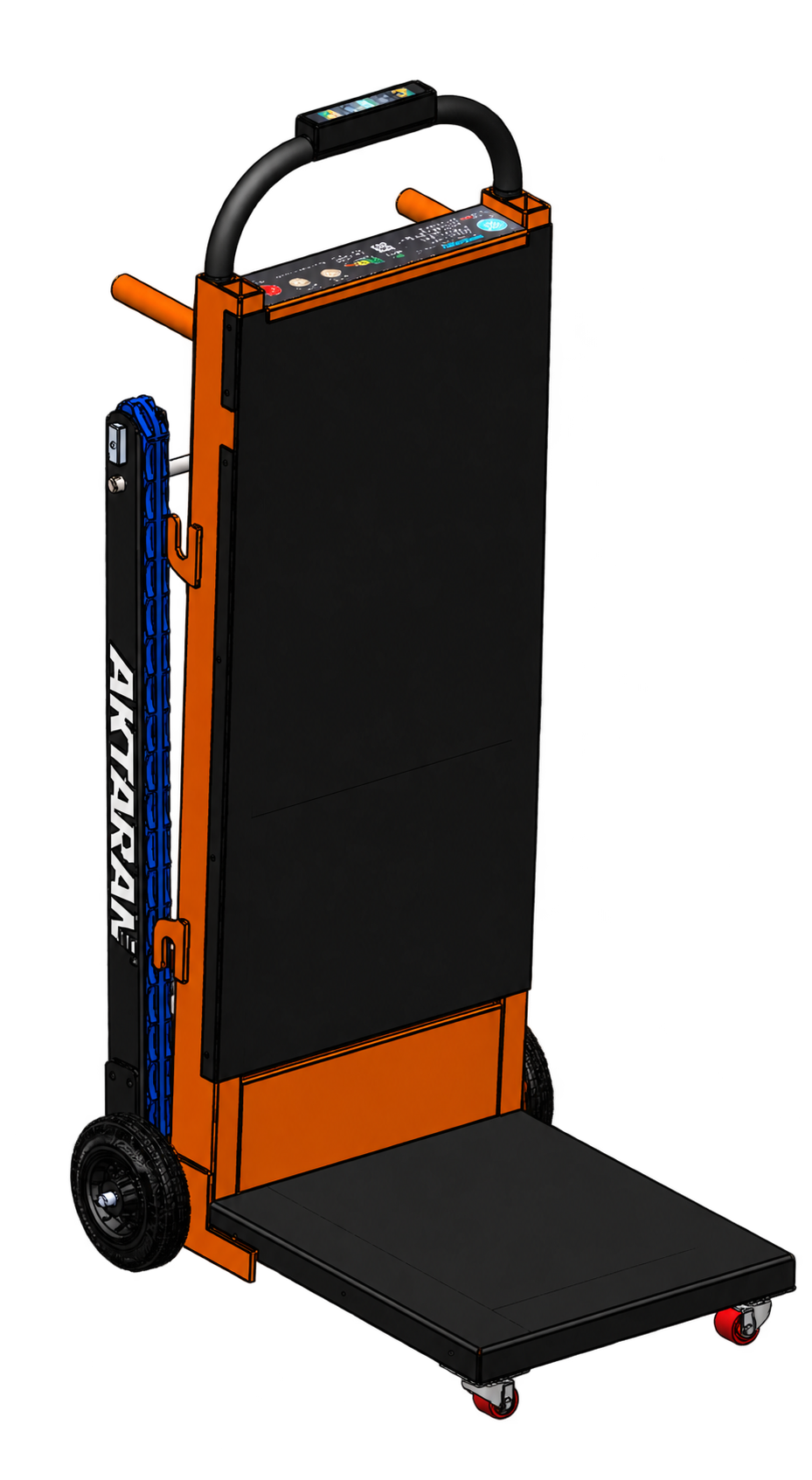
Compare products by checking their intended use and technical information on each product page.
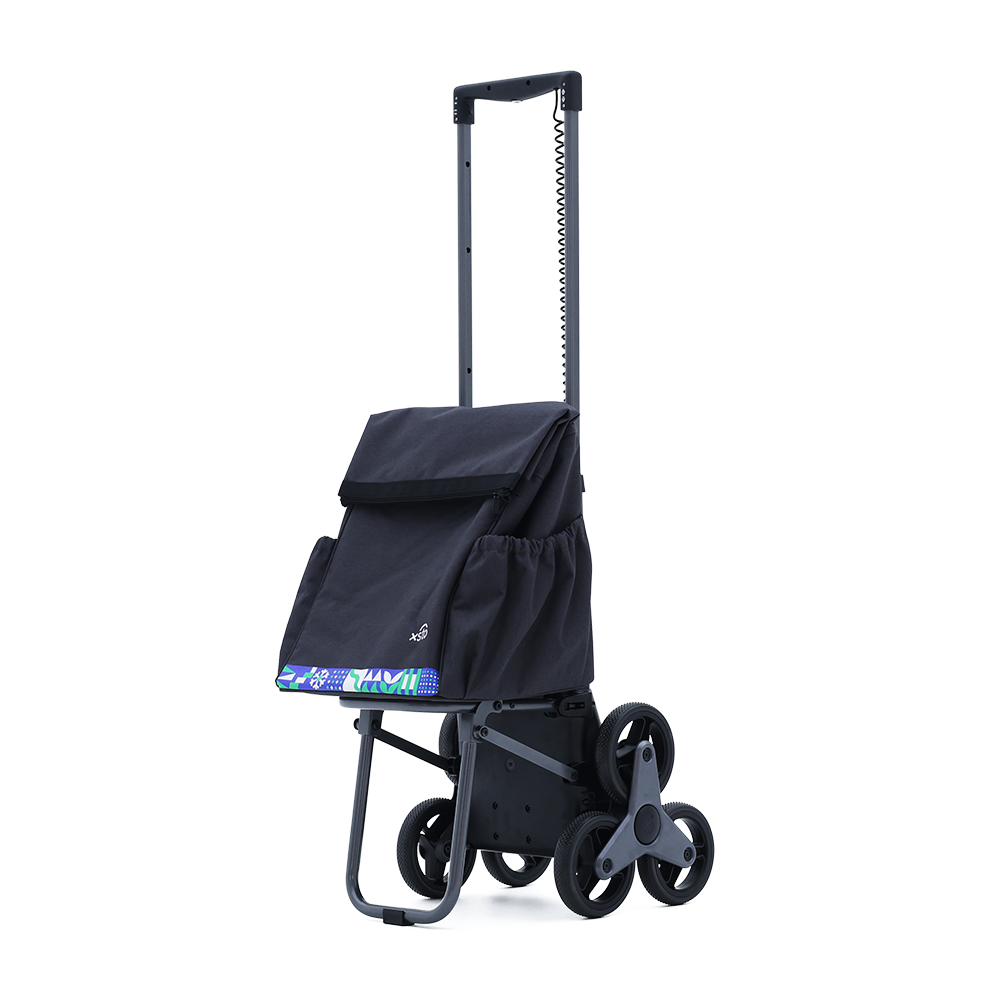
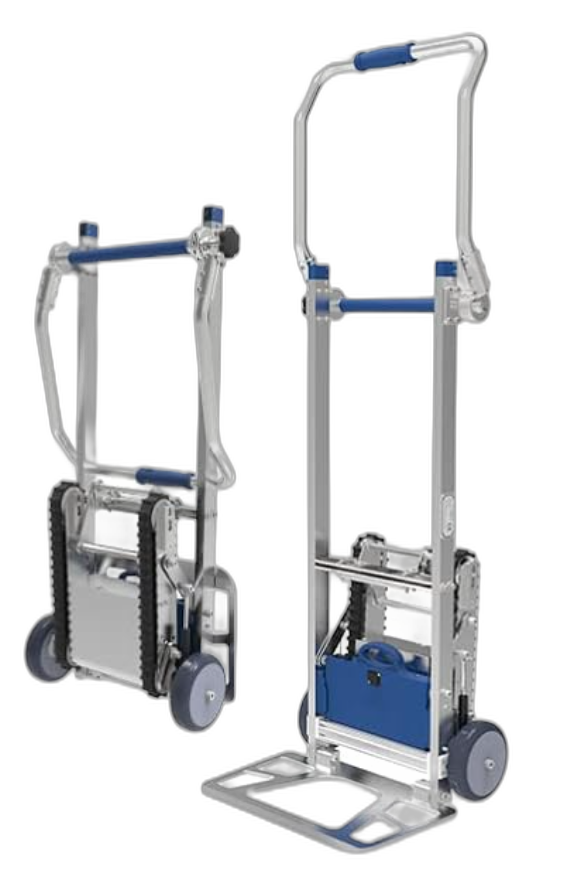
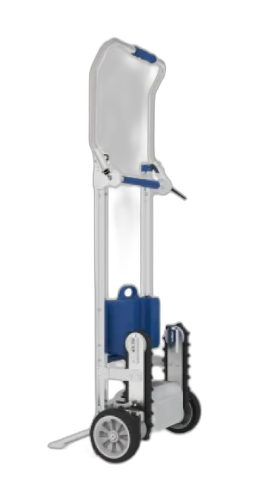
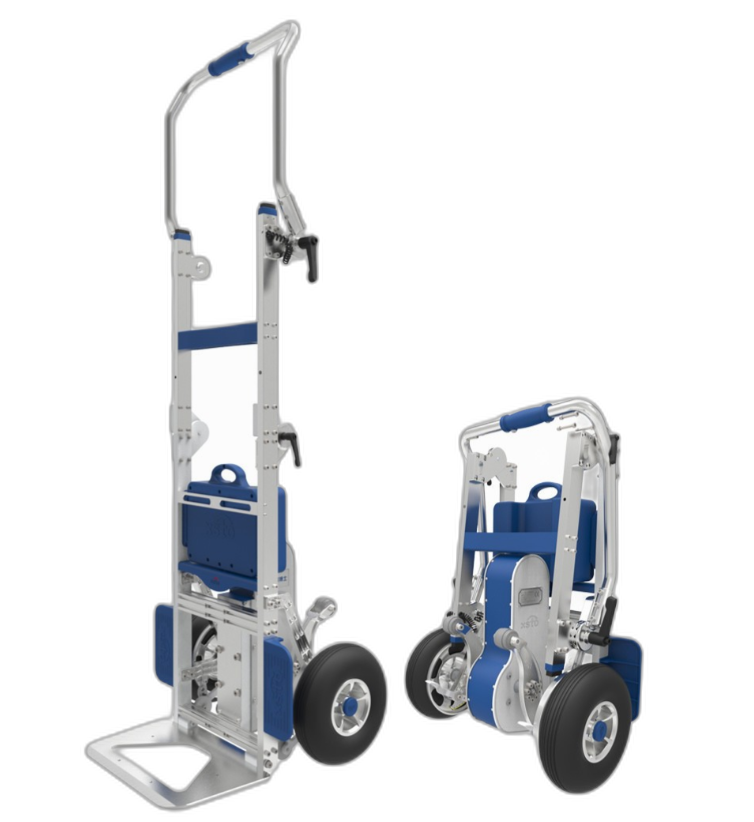
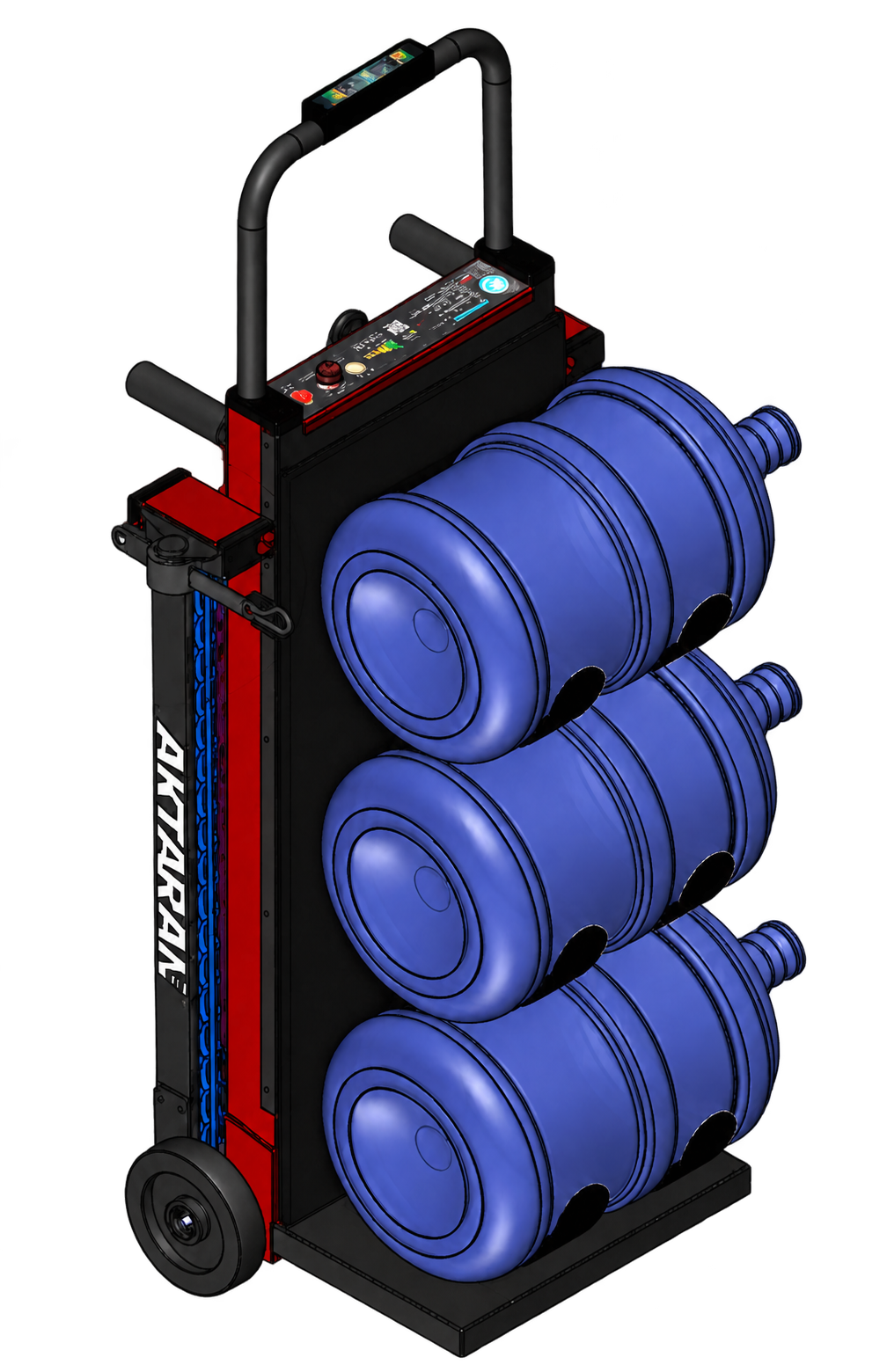
Frequently asked questions when choosing a model
Which load handling hand truck is suitable for appliances?
Assess the item's weight and dimensions, securing points and route together. If stairs are involved, compare models with confirmed stair capability rather than products intended for level surfaces.
Is a high-capacity device suitable for every load?
No. The load's centre of gravity, compatibility with the platform, fastening method and manoeuvring space also matter. The capacity limit alone does not establish suitability.
Can a product for uneven ground be used on stairs?
Uneven ground and stairs are different uses. Do not assume stair capability unless it is explicitly stated; rely on the product manual and a technical assessment.